Australian Sapphire Rings
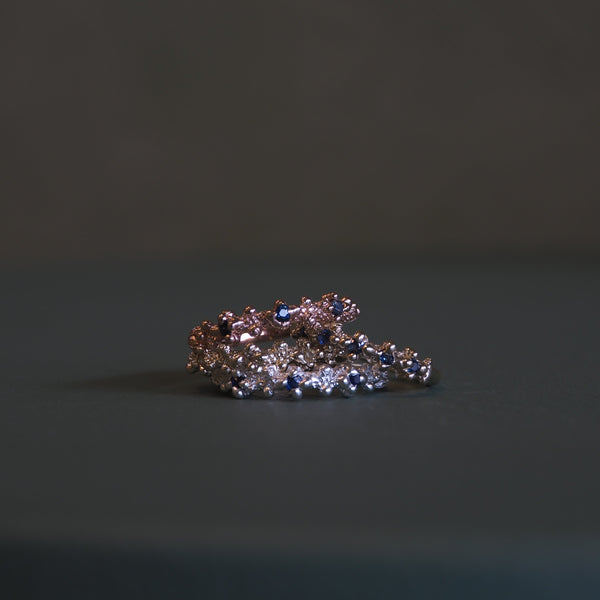
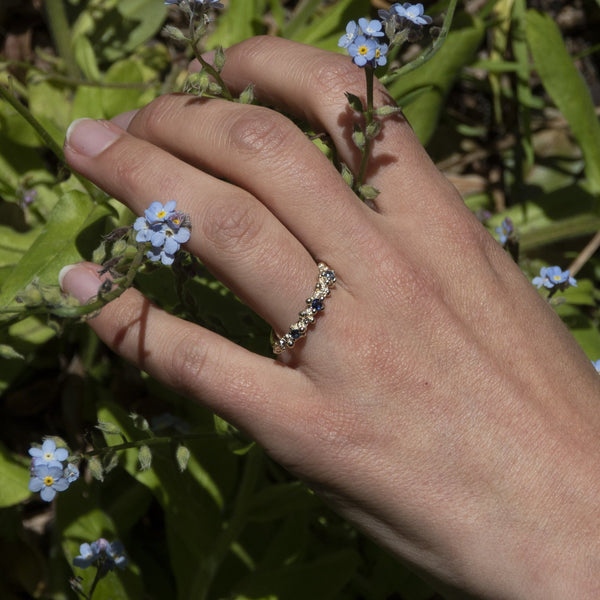
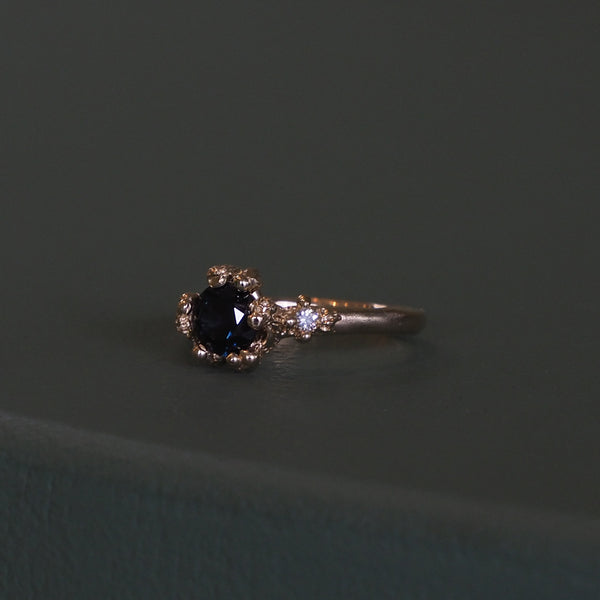
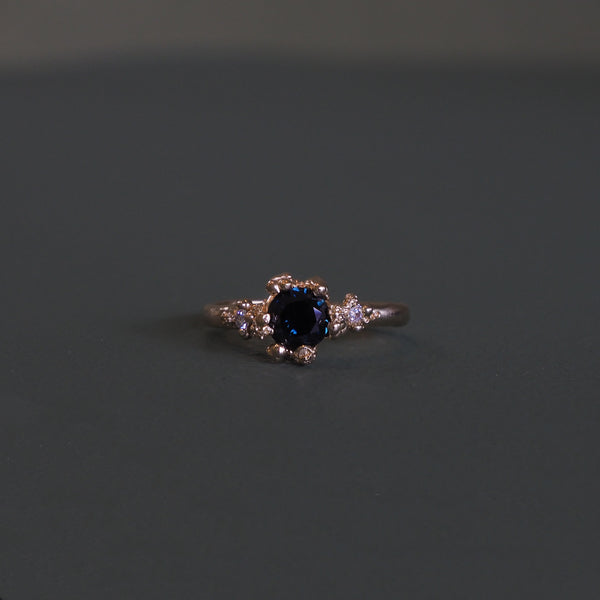
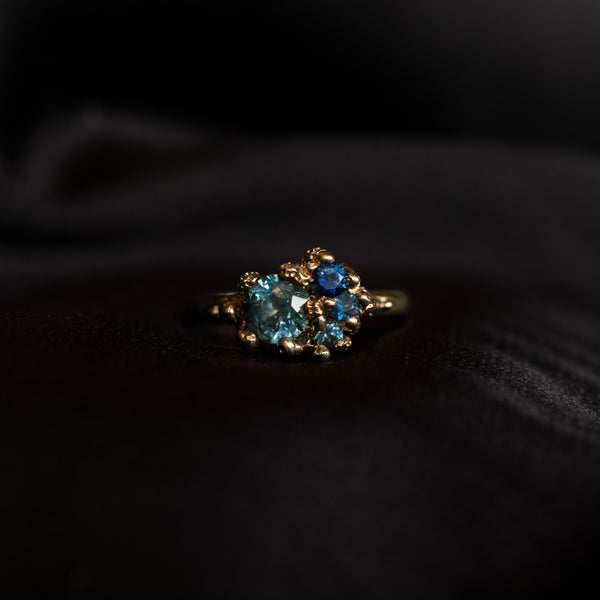
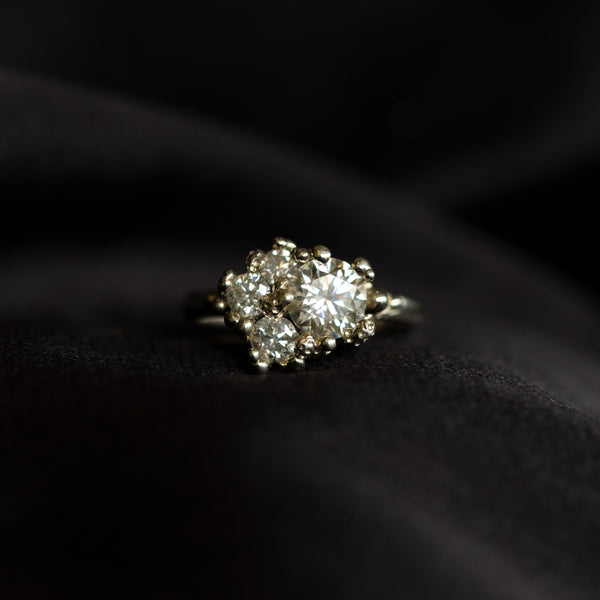
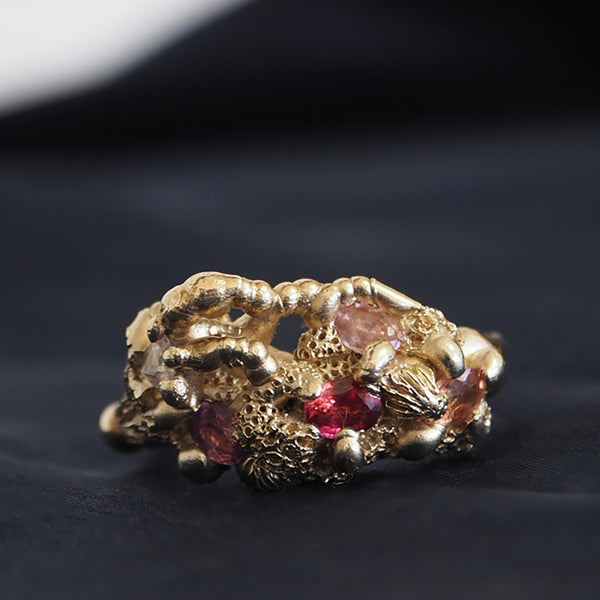
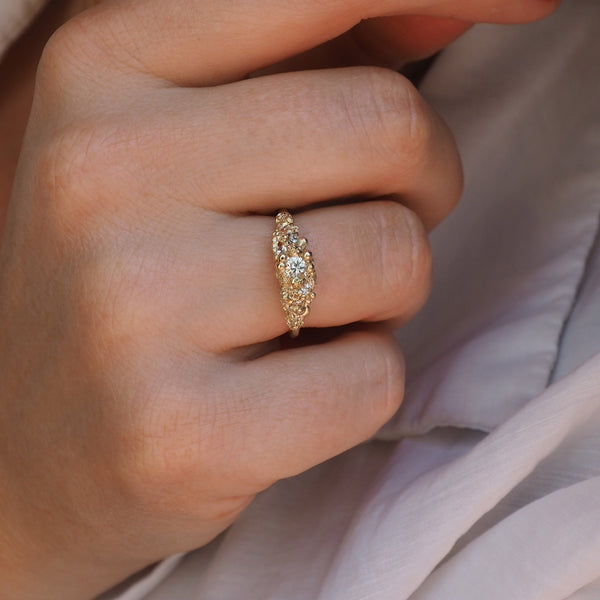
Rings set with Australian sapphires, in the blues and blue greens these stones are known for.
Teal sapphires, a deep blend of green and blue also called seafoam or ocean in the trade, are the most distinctive Australian colour. Parti sapphires show more than one colour in the same stone, not flawed, simply how the stone grew. Blue sapphires from Australia run darker and more navy toned than Sri Lankan stones.
All designs on this page can be made with an Australian sapphire.
Each piece is made to order in recycled gold or silver at Eloise's Melbourne studio.
For a particular stone or a one of a kind design, explore the bespoke process.
New to Australian sapphires? Read our guide to colours, origins and what to ask before you commission.

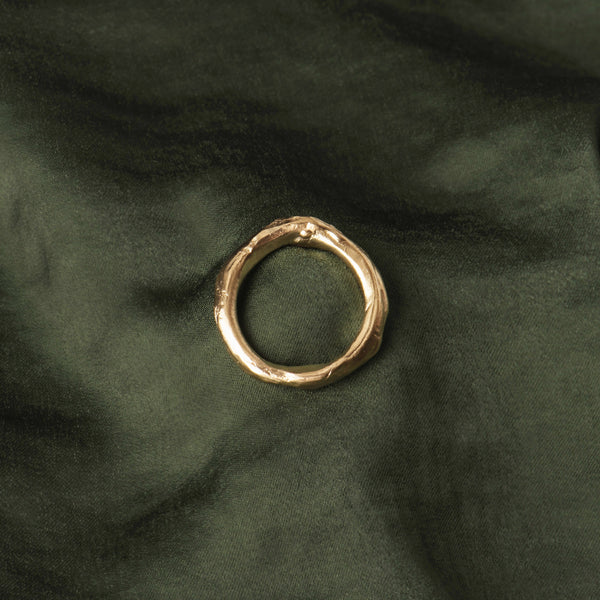
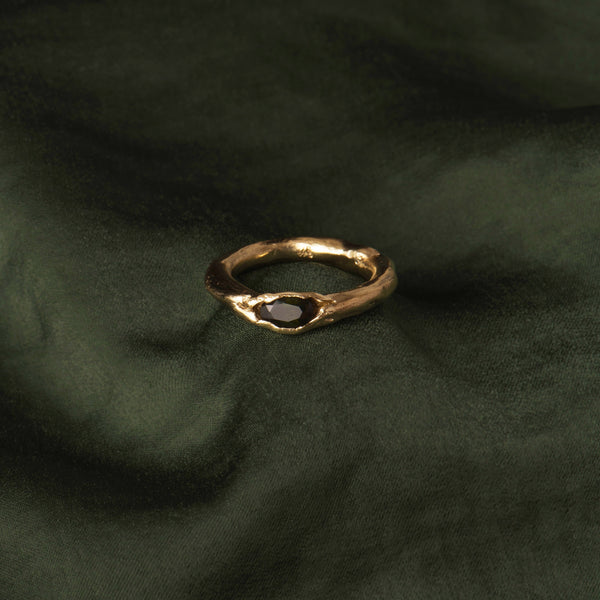
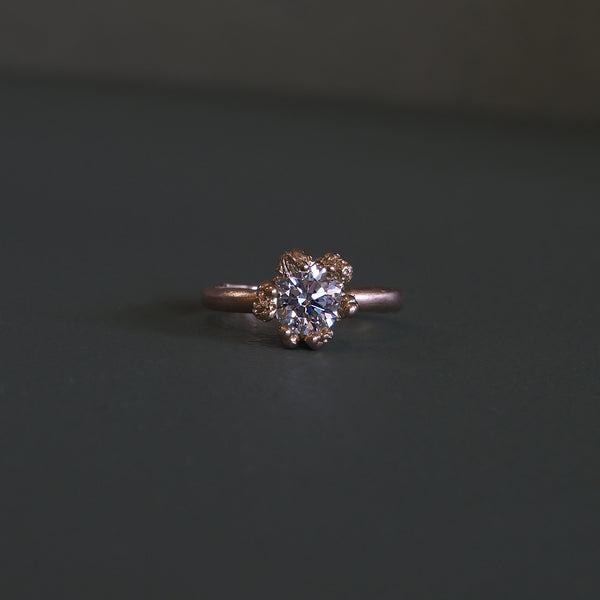
Rockpool Ring - Australian Sapphire

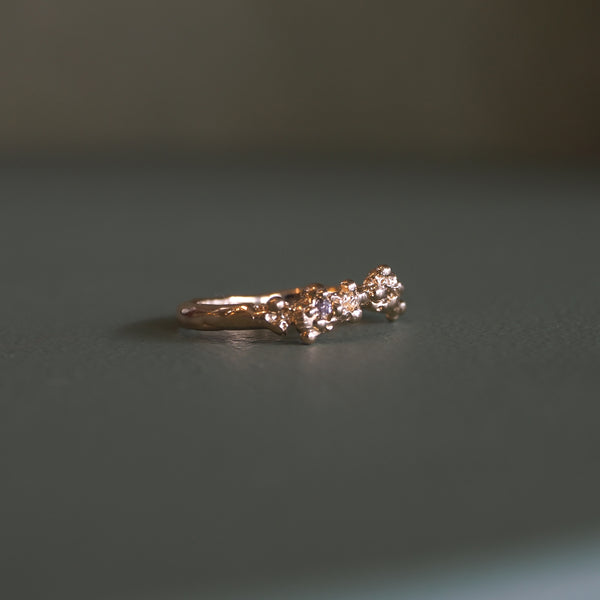
Rockpool Band - Curved

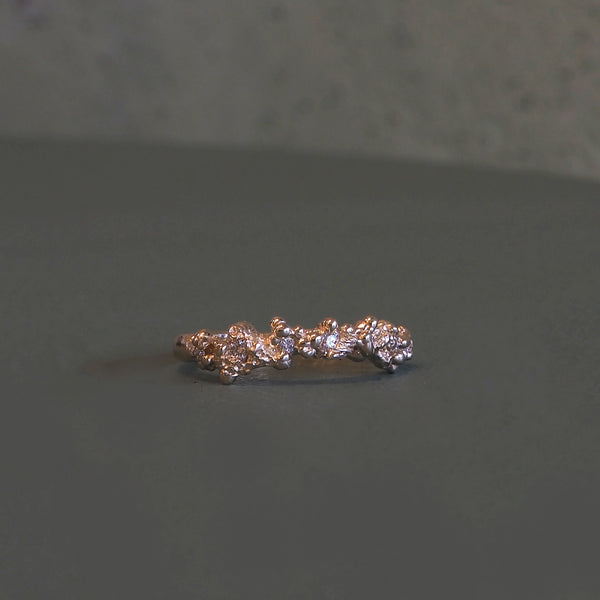
Rockpool Band

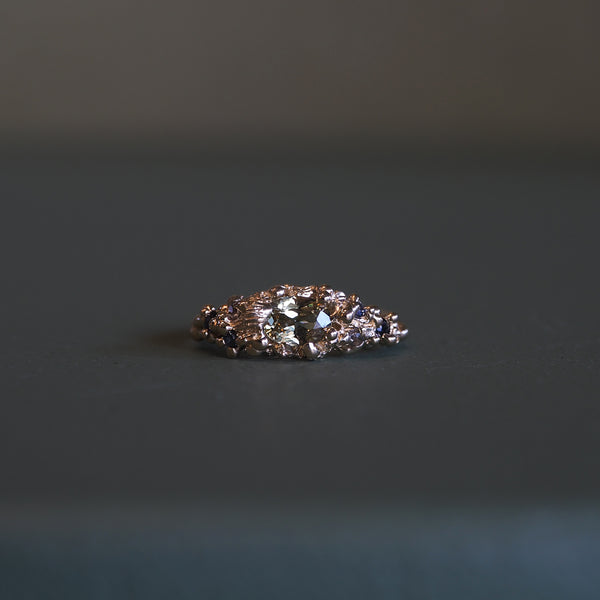
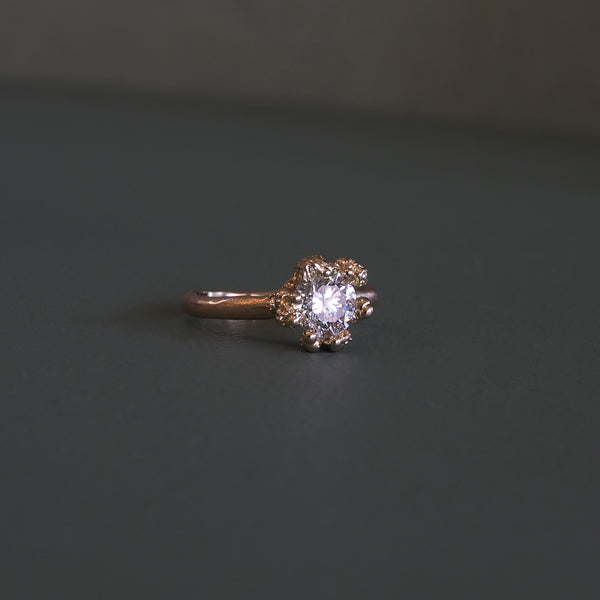
Thetis Ring

Dune Band

Morgan Ring - Australian Sapphire
Australian Sapphire Earrings
- Mineral
- Corundum
- Hardness
- 9 on the Mohs scale
- Colours
- Teal, parti, yellow, green, blue
- Main origins
- Central Queensland and New South Wales
What an Australian sapphire is
Sapphire is a variety of corundum, the same mineral family as ruby. The difference is colour, with ruby being red corundum and sapphire being everything else, with the iconic blue being just one of many possibilities. All natural corundum sits at 9 on the Mohs hardness scale, second only to diamond, which is what makes sapphire so well-suited to engagement rings worn every day.
Australia produces sapphires in commercial quantities from two main regions. Central Queensland, mostly around Anakie, Sapphire and Rubyvale, sometimes called the Sapphire Gemfields. And New South Wales, mostly around Inverell and Glen Innes, smaller in scale and often artisanal.
Stones from smaller Australian sources turn up from time to time, Tasmania among them. Where a piece is set with one, the listing says so.
The colours
Teal sapphires are perhaps the most distinctive Australian colour. A deep green-blue that shifts depending on the light. Often called "seafoam" or "ocean" in the trade.
Parti sapphires show more than one colour in the same stone. A parti might be half blue and half yellow, or show bands of teal and gold. They are not flawed. They are how the stone grew, and they are one of the things Australia is known for in the global sapphire trade.
Yellow sapphires range from pale champagne through honey to deep gold. Warmer-toned than yellow diamonds, with a particular gentle glow.
Green sapphires range from olive to forest. They have become more popular for engagement rings in the last decade because they are unmistakable and they do not look like anyone else's ring.
Blue sapphires also come from Australia, though typically darker than Sri Lankan stones. A deeper, more navy-toned blue.
What to ask before you commission
"Where is this stone from?" The honest answer should be specific. "Queensland" or "Inverell, NSW" is more useful than "Australia".
"Is it heat-treated?" Most commercial sapphires are heat-treated to improve colour and clarity. This is industry standard and not a problem in itself, but you should know if your stone is treated or unheated. Unheated is rarer and more valuable.
"Can I see it in different light?" Daylight, indoor light, evening light. A teal sapphire that looks one way at the bench can look very different in candlelight. You want to see your stone in the light you will mostly see it in.
"What size and shape are realistically available?" Australian sapphire is mined at scale, but specific colour, size and shape combinations are harder to find than others. If you want a 2ct teal marquise, it might take months of searching. If you are flexible on shape, the answer can be faster.
"What's the price range for what I'm picturing?" Sapphire pricing varies enormously. Origin, colour, clarity, size and treatment all matter. Get a real range early so the conversation can stay realistic.